


Vietnam Exports 2026: When Expanding “Market Space” Becomes a Matter of Survival


Vietnam's export growth in 2026 hinges on market expansion and targeting high-purchasing-power regions. Discover key strategies for success.
Expanding market space is forecast to become a new driving force for Vietnamese exports in 2026. What matters most is that domestic enterprises must swiftly seize newly emerging opportunities, proactively target new markets with strong purchasing power, and shift their product structures accordingly.
In its latest forecast on Vietnam’s export outlook for 2026, the analysis division of MBS Securities expects export growth to be maintained at around 15–16%.
Targeting High-Purchasing-Power markets
This outlook is underpinned by projections that global merchandise trade will grow by about 4% in 2026—down from 6% in 2025—according to UNCTAD. However, the electronics sector, one of Vietnam’s key strengths, is expected to continue leading with growth of around 14%, driven by investment demand in artificial intelligence (AI).
In addition, following the negotiation process on reciprocal tariffs with the United States, Vietnam is currently benefiting from a tariff rate of 20%, with the effective average tariff on taxed goods at around 18%—significantly lower than that of countries directly competing with Vietnam, such as China. This advantage is expected to support Vietnam’s key export sectors that face strong competition, including textiles and garments, footwear, and electronics.
Notably, MBS analysts point out that expanding market space will become a new engine driving export growth, especially as Vietnamese goods are gradually increasing their market share in new destinations. For example, exports of agricultural and seafood products to the EU, Japan, and South Korea have been on the rise, rather than being concentrated primarily on China as in the past.
Beyond that, Vietnam is accelerating negotiations and finalizing a series of free trade agreements (FTAs) with new markets such as the United Arab Emirates (CEPA), Israel, and Qatar.
These developments send positive signals to domestic enterprises, enabling them to increase their contribution to export turnover—an area that has long depended heavily on foreign-invested enterprises (FDI), while Vietnamese brands have yet to achieve a truly global presence.
From the perspective of expanding export market space for Vietnamese goods, Mr. Tran Phu Lu, Director of the Ho Chi Minh City Trade and Investment Promotion Center (ITPC), affirmed that amid mounting global uncertainties and a rising trend of trade protectionism, market diversification has become a prerequisite for domestic enterprises.
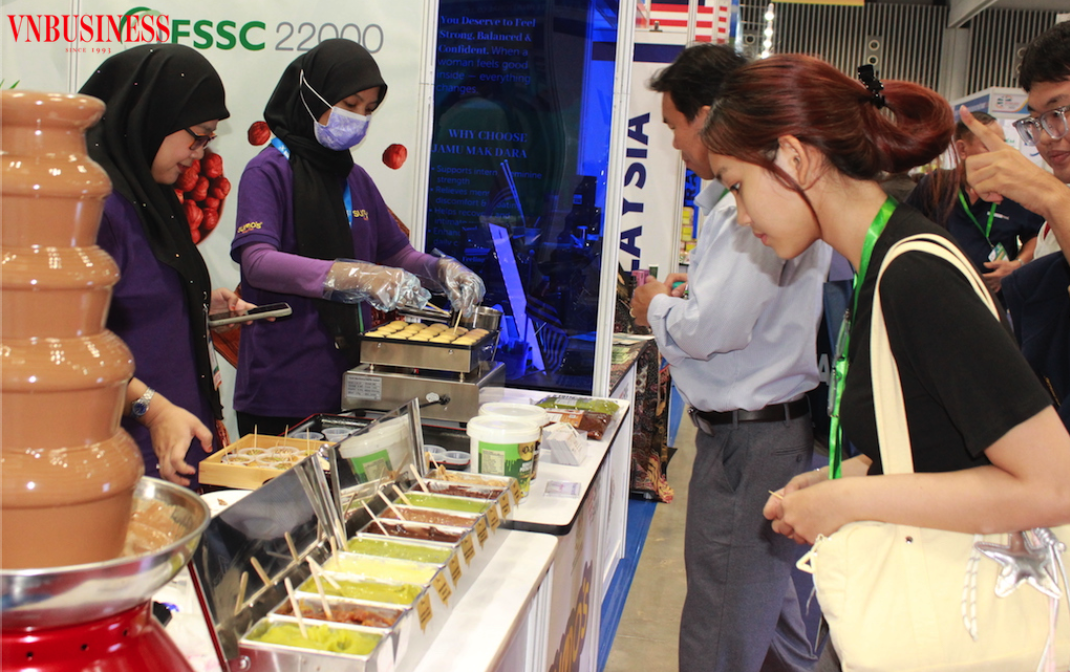
In particular, the Halal market in Middle Eastern (Muslim-majority) countries is regarded as a new frontier—a “gold mine” for Vietnamese products to tap into. According to Mr. Lu, the Middle East is a highly dynamic import market, with the total value of imported goods estimated at over USD 1.2 trillion annually. Currently, many major retail and distribution groups in the region, such as Lulu Hypermarket (UAE), Al Othaim Markets (Saudi Arabia), Choithrams, and Citi Hypermarkets (Kuwait), are showing strong interest in sourcing high-quality products from Vietnam.
“In 2026, Vietnamese enterprises need to seize opportunities to directly connect with major distribution chains, secure long-term export contracts, and expand into markets with strong purchasing power and high growth potential such as the Middle East,” the ITPC Director said.
From a local perspective, as Mr. Lu shared, enterprises in Ho Chi Minh City expect 2026 to be a year of accelerated development for the Halal ecosystem, identifying it as a strategic direction that not only opens up new export opportunities but also contributes to enhancing Vietnam’s national standing in global value chains.
“In 2026, we will continue to roll out multiple support programs to help enterprises improve production capacity, quality standards, and Halal certification, while actively coordinating with international organizations to facilitate Vietnamese goods’ access to the global Islamic market,” Mr. Tran Phu Lu emphasized.
Swiftly seizing new opportunities
Expanding market space for Vietnamese exports is widely seen as essential in the period ahead. Since July 2025, when the United States imposed a 40% reciprocal tariff on transshipped goods, export growth among domestic enterprises has weakened noticeably, as Vietnam has proactively tightened regulations on rules of origin and product traceability.
At present, U.S. criteria for identifying transshipped goods remain relatively ambiguous, prompting Vietnamese enterprises to adopt a more cautious approach toward exports to this key market. As a result, redirecting export markets in 2026 is increasingly viewed as an inevitable move.
Tariff barriers in the U.S. are forcing Vietnamese businesses to rethink their strategies. In the wood products sector, for example, Reuters recently reported that Vietnamese furniture exporters were taken aback by newly announced tariffs, which are expected to squeeze profit margins. Consequently, domestic wood exporters will need to adopt a new mindset to expand export market space. According to the Department of Forestry and Forest Protection (Ministry of Agriculture and Environment), the target for forestry export turnover in 2026 is around USD 18.5 billion, with a strong focus on market diversification and reducing dependence on traditional key markets.
A similar situation is unfolding in the seafood sector. According to analysts at MBS Securities, Vietnam’s seafood industry in 2026 is likely to face significant challenges, as a 20% reciprocal tariff in the U.S. market makes Vietnamese products less competitive than those from Indonesia (19%) or Ecuador (15%). The shrimp sector, in particular, faces the risk of being subjected to high anti-dumping duties in the POR19 review.
Market access barriers in the U.S. are also rising as import controls tighten. Under the Marine Mammal Protection Act (MMPA), the U.S. National Oceanic and Atmospheric Administration (NOAA) has announced that 240 fisheries from 46 countries have been denied equivalency recognition. This means products from these fisheries will not be permitted for import into the U.S. starting January 1, 2026. Vietnam has 12 fisheries deemed “non-equivalent,” including those targeting grouper, blue swimming crab, lobster, tuna, and mackerel using gillnets and trawls. This move could significantly impact Vietnam’s seafood exports, given that the U.S. has historically been the country’s largest market.
As a result, growth in the seafood sector will depend heavily on Vietnamese enterprises’ ability to diversify export markets. A case in point is Nam Viet Joint Stock Company (ANV), a major exporter of pangasius and tilapia, which is expected to benefit from expanding its export footprint rather than relying on the U.S. market. ANV is currently the only Vietnamese company exporting tilapia to Brazil. Of a 700-ton order, the company has shipped 24 tons so far, with the remaining orders to be produced and recognized as revenue in the coming period.
In the Brazilian market, opportunities are re-emerging after Brazil lifted its ban on tilapia imports from Vietnam in 2025. Vietnamese enterprises are moving quickly to capitalize on this opening, exporting tilapia to Brazil and looking to further build on the momentum. In addition to ANV, Navico has delivered the first 24-ton shipment under a 700-ton order from JBS Group, expected to be distributed through supermarkets and HORECA chains in Brazil—paving the way for deeper penetration of Vietnamese tilapia into the market in 2026.
Thế Vinh
HTX 'gom' nông dân, kết nối doanh nghiệp, nâng giá trị nông sản
Chi phí đường bộ “ghìm” hàng xuất khẩu về cảng Cái Mép: Gỡ cách nào?
"Sân chơi" chuỗi cung ứng toàn cầu: Doanh nghiệp Việt không thể mãi ở "chiếu dưới"
Chủ tịch Liên minh HTX Việt Nam gặp người đứng đầu phong trào hợp tác xã toàn cầu tại Panama
Mưa lớn kéo dài đe dọa sản xuất kinh doanh của HTX
Muốn trụ lại trong chuỗi, doanh nghiệp phụ trợ cần một ‘bệ đỡ’ đủ lực
Chủ tịch Liên minh HTX Việt Nam Cao Xuân Thu Vân tham dự Hội nghị ICAO tại Panama



Cùng chuyên mục
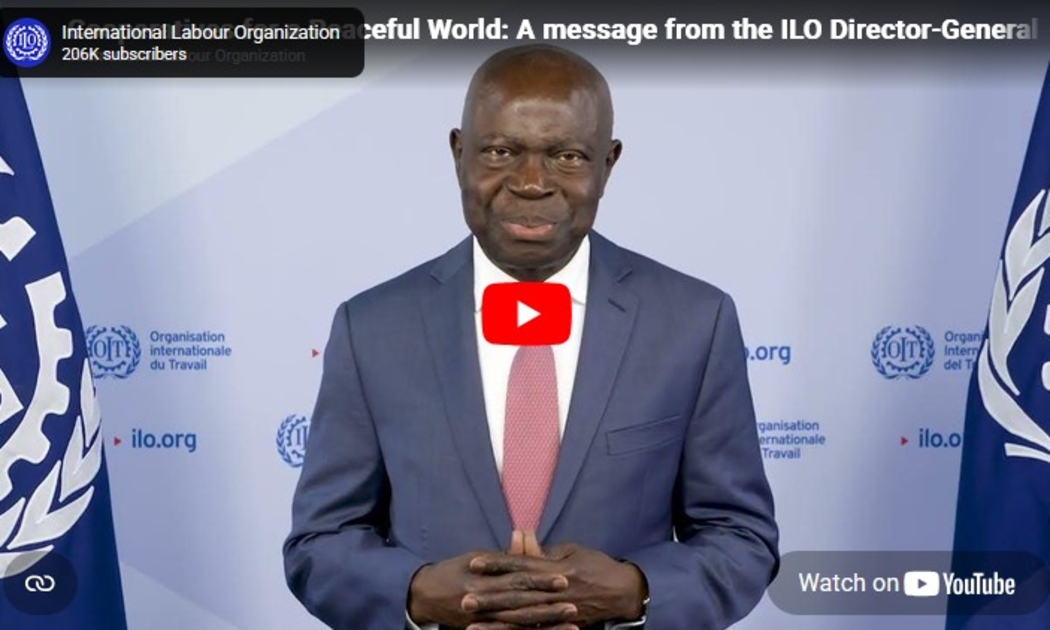
Cooperatives for a Peaceful World: A message from the ILO Director-General
In his message marking the International Day of Cooperatives 2026, ILO Director-General Gilbert F. Houngbo highlights the vital role of cooperatives in advancing peace through decent work, social justice and resilient communities.
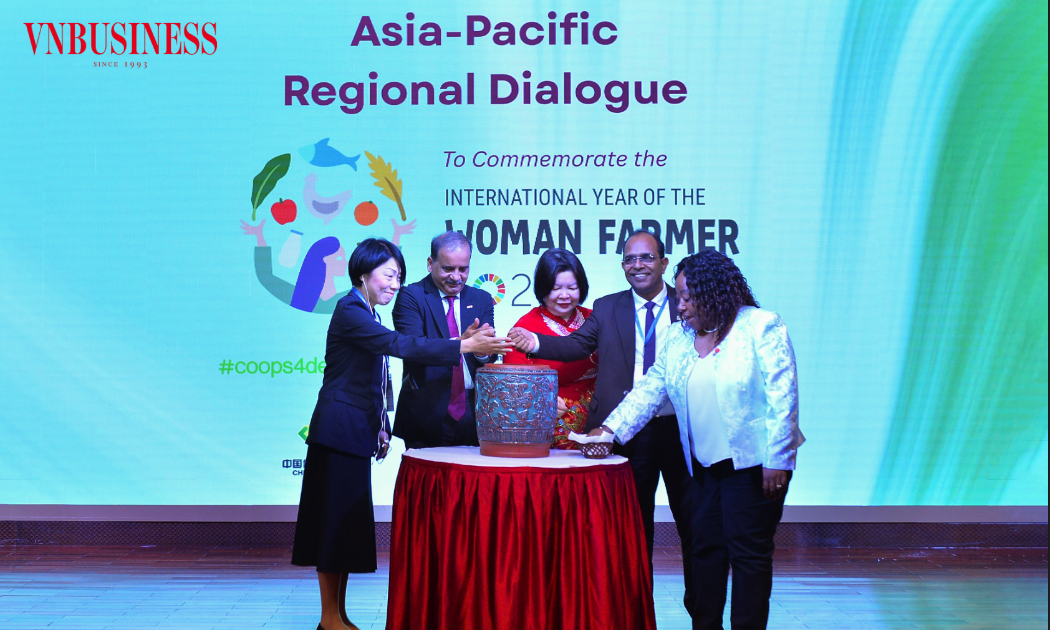
Empowering women: A lever for sustainable growth of agricultural cooperatives
Women are no longer only contributing labor in the fields but are increasingly taking part in management, operations, and market development for agricultural cooperatives. According to experts, expanding women’s access to capital, technology, and decision-making power will be key to enhancing the competitiveness of the cooperative economy.

VCA promotes credit cooperative partnership with Thailand
The Vietnam Cooperative Alliance (VCA) is expanding international cooperation in a more substantive direction, focusing on connecting financial value chains, with Thailand’s credit cooperative model seen as a promising avenue.

Vietnam’s cooperatives enter a pivotal year: Honoring, connecting and accelerating growth
On April 6, 2026, the Vietnam Cooperative Alliance announced its key activities for the year, while also releasing the results of the CoopStar Awards and the Mai An Tiem Awards.
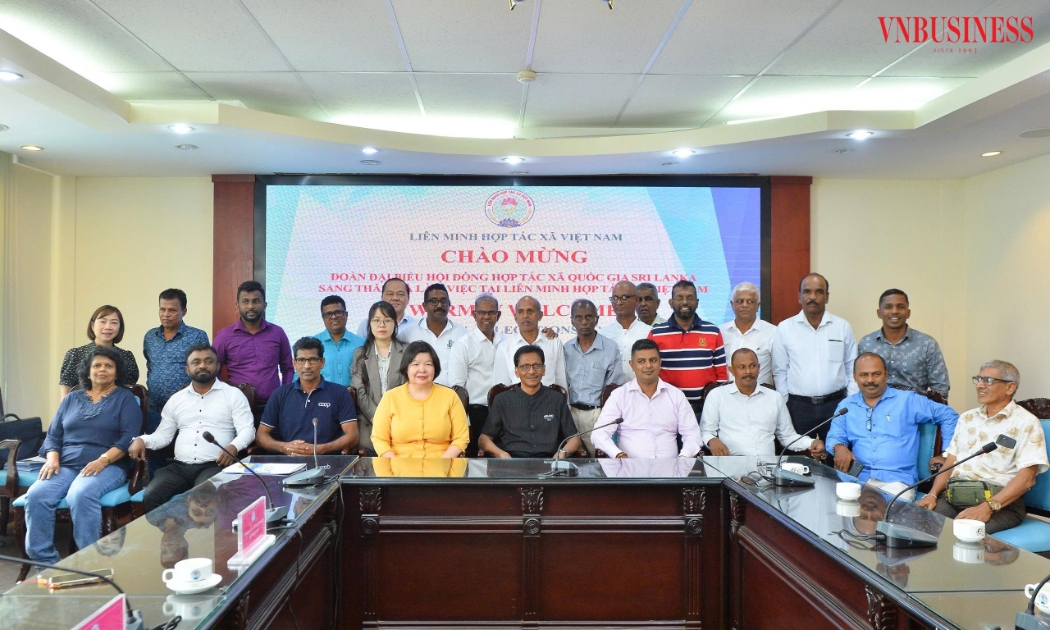
Expanding markets for cooperatives, VCA strengthens ties with Sri Lanka
VCA is expanding practical global cooperation in value chains, finance, and markets, with Sri Lanka emerging as a key partner in South Asia.
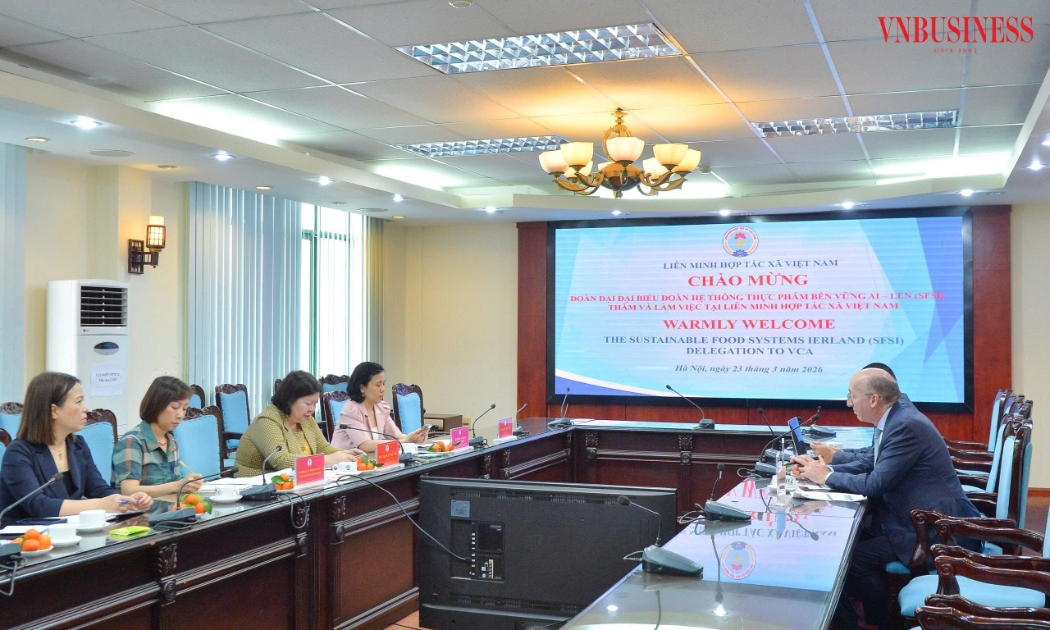
VCA partners with SFSI to promote digital transformation in cooperatives
On the morning of March 23, Chairwoman of the Vietnam Cooperative Alliance (VCA) Cao Xuan Thu Van held a working session with David Butler, Director of the Sustainable Food Systems Ireland (SFSI).




 Infographic
So găng iPhone 18 Pro Max và Galaxy S26 Ultra: Giá chênh gần 13 triệu, công nghệ ra sao?
Cuộc đua flagship (sản phẩm chủ lực/cao cấp nhất) giữa Apple và Samsung đang nóng lên khi iPhone 18 Pro Max và Galaxy S26 Ultra sở hữu những lợi thế hoàn toàn khác biệt.


Đừng bỏ lỡ
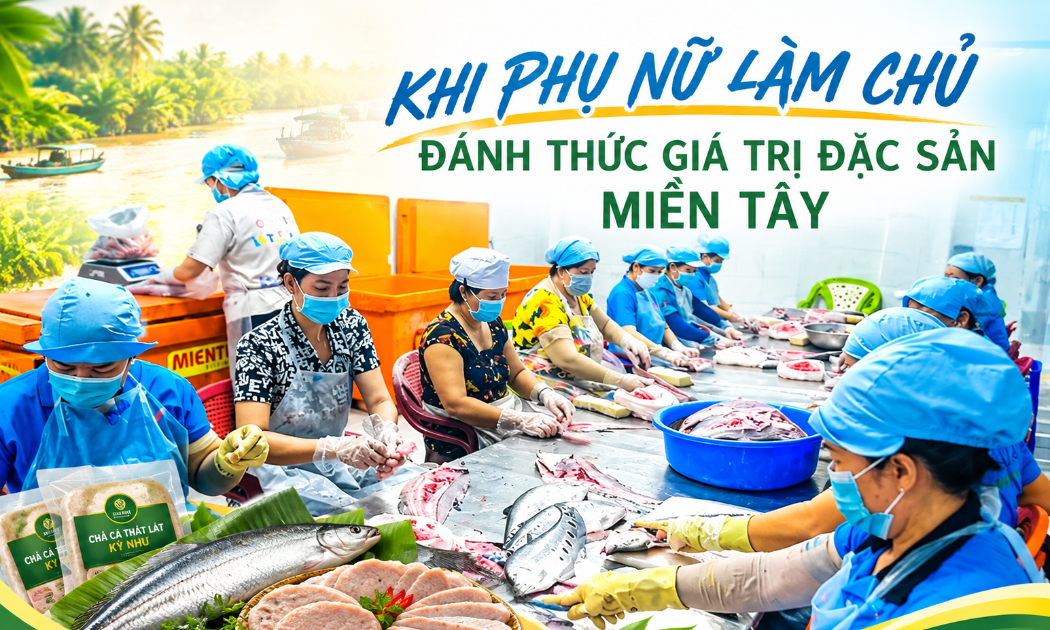

 Khi phụ nữ làm chủ - Đánh thức giá trị đặc sản miền Tây
Từ những con cá thát lát quen thuộc của miền Tây, HTX Kỳ Như (TP Cần Thơ) đã từng bước xây dựng chuỗi sản xuất, chế biến và nâng cao giá trị sản phẩm. Hành trình ấy ghi dấu vai trò ngày càng rõ nét của phụ nữ trong đổi mới sáng tạo và phát triển...