





Positive signal for furniture exporters to the U.S


The administration of U.S. President Donald Trump has announced a decision to postpone the imposition of a 50% import tariff on wooden furniture and kitchen cabinets entering the U.S., which had been scheduled to take effect from early 2026.
On December 31, 2025, President Donald Trump announced a one-year delay in the planned tariff increase on certain imported furniture products. The decision was made just ahead of the tariff’s scheduled implementation at the start of 2026.
“The United States is continuing active negotiations with its partners to address issues related to trade balance and national security concerning the import of wood products,” a White House statement said. The announcement did not provide further details on the reasons for the postponement.
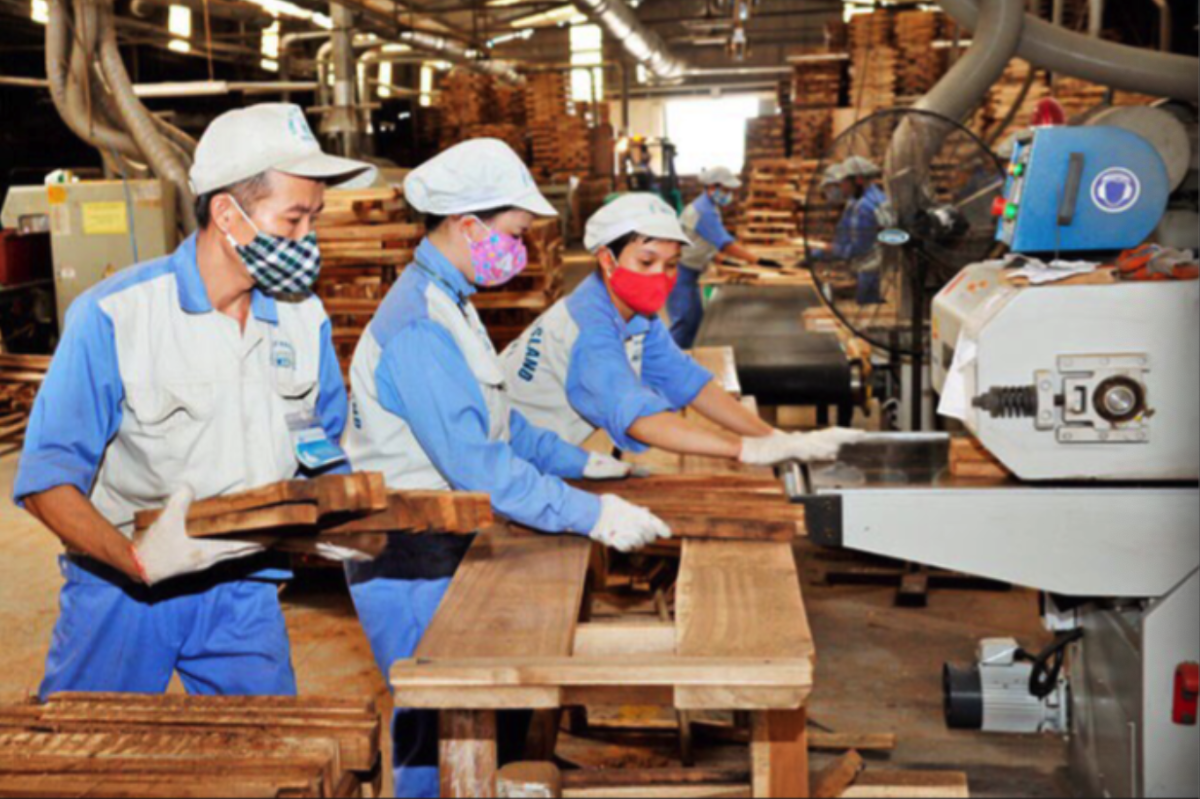
Previously, under an executive order signed by Mr. Trump on September 29, 2025, these products were set to face higher tariffs from January 1, with rates of 30% for upholstered furniture and 50% for kitchen cabinets and bathroom vanities. Following the postponement, import tariffs on these products will therefore remain at 25%.
The Trump administration has increasingly come under criticism for failing to rein in prices, partly due to tariffs imposed on a wide range of goods since Mr. Trump took office in early 2025. Even before the 25% tariff on furniture took effect, prices had already risen sharply as a result of reciprocal tariffs on goods from China and Vietnam—the two largest sources of furniture imports to the United States.
Mr. Trump has blamed inflation on the administration of former President Joe Biden. In recent speeches, he has reiterated that import tariffs could ultimately help lower costs for American consumers.
In September 2025, Mr. Trump raised import tariffs on logs, lumber, and wood products, citing the need to protect national security and the domestic timber industry. These tariffs followed an investigation by the U.S. Department of Commerce under Section 232 of the Trade Expansion Act.
Several months later, he repeatedly criticized Canada for exporting large volumes of lumber to the United States, arguing that this posed a national security risk given that a significant share of U.S. lumber imports comes from its northern neighbor.
While many experts argue that tariffs would harm the U.S. economy and seriously disrupt supply chains, the latest statistics released in November show that furniture prices in the United States rose 4.6% year-on-year, compared with a 2.7% increase in the overall consumer price index.
In Vietnam, industry experts believe that the one-year postponement of the planned tariff increase on certain imported furniture products is a positive signal for companies exporting furniture to the U.S. market.
Hồng Hương
IMF: ASEAN-5 tăng trưởng vượt dự báo nhờ làn sóng đầu tư công nghệ
Liên minh Hợp tác xã Việt Nam tuyển 26 biên chế
Cuộc đua giành người mua: Doanh nghiệp phải bắt ‘đúng mạch’ tiêu dùng
Nobel Kinh tế 2026: Vì sao giảm thuế chưa chắc kích được tiêu dùng?
HTX chuyển cách làm nông bằng công nghệ số trên vùng đất Đức Trọng
Đề nghị Chính phủ làm rõ khả năng hoàn thành mục tiêu tăng trưởng hai con số
Hành trình từ tổ nhóm liên kết đến HTX: Lời giải cho sinh kế bền vững
Nhân rộng sinh kế bền vững, câu chuyện từ mô hình HTX ở Sơn Qui






Cùng chuyên mục

Cooperatives for a Peaceful World: A message from the ILO Director-General
In his message marking the International Day of Cooperatives 2026, ILO Director-General Gilbert F. Houngbo highlights the vital role of cooperatives in advancing peace through decent work, social justice and resilient communities.

Empowering women: A lever for sustainable growth of agricultural cooperatives
Women are no longer only contributing labor in the fields but are increasingly taking part in management, operations, and market development for agricultural cooperatives. According to experts, expanding women’s access to capital, technology, and decision-making power will be key to enhancing the competitiveness of the cooperative economy.

VCA promotes credit cooperative partnership with Thailand
The Vietnam Cooperative Alliance (VCA) is expanding international cooperation in a more substantive direction, focusing on connecting financial value chains, with Thailand’s credit cooperative model seen as a promising avenue.

Vietnam’s cooperatives enter a pivotal year: Honoring, connecting and accelerating growth
On April 6, 2026, the Vietnam Cooperative Alliance announced its key activities for the year, while also releasing the results of the CoopStar Awards and the Mai An Tiem Awards.

Expanding markets for cooperatives, VCA strengthens ties with Sri Lanka
VCA is expanding practical global cooperation in value chains, finance, and markets, with Sri Lanka emerging as a key partner in South Asia.

VCA partners with SFSI to promote digital transformation in cooperatives
On the morning of March 23, Chairwoman of the Vietnam Cooperative Alliance (VCA) Cao Xuan Thu Van held a working session with David Butler, Director of the Sustainable Food Systems Ireland (SFSI).






 Infographic
1,1 triệu doanh nghiệp đóng góp hơn 60% GDP, tạo 17,6 triệu việc làm
Sau hơn 40 năm đổi mới, Việt Nam có gần 1,1 triệu doanh nghiệp đang hoạt động, đóng góp hơn 60% GDP, khoảng 55% thu ngân sách và tạo việc làm cho 17,6 triệu lao động.


Đừng bỏ lỡ





 Kết nối doanh nhân trẻ, khơi thông nguồn lực phát triển
Trong bối cảnh nền kinh tế nhiều biến động, kết nối cộng đồng, mở rộng thị trường và tháo gỡ điểm nghẽn về vốn, cơ chế đang trở thành những yếu tố quan trọng giúp doanh nghiệp trẻ nâng cao năng lực cạnh tranh, tạo động lực cho tăng trưởng bền vững.