




How PSL Machinery Is Becoming a Leading Authority in Cashew Factory Consulting


From the decision to invest to the diagnosis of a struggling plant, PSL Machinery is building an advisory role that extends beyond machinery into the economics and management of cashew processing.
Should an investor open a cashew factory at all? And when an existing plant is underperforming, does the owner need new machinery, or a better understanding of what is going wrong? These are high-stakes questions that a machinery quotation cannot answer. They require a specialist capable of assessing the entire processing business.
That is the role PSL Machinery is increasingly taking on. Known for cashew-processing technology, the Vietnam-based company is emerging as a leading specialist in cashew factory consulting for owners, investors, lenders and governments. Its involvement can begin before an investment decision and continue through factory design, operational improvement and long-term management.

Before building: Is the investment worth making?
A new cashew factory is not automatically a good investment simply because raw nuts are available or processing machinery is affordable. Capacity must be matched to reliable raw-cashew supply, realistic kernel recovery, infrastructure, labour, operating costs and the markets for finished products. A mistake at this stage can become an expensive permanent feature of the project.
PSL Machinery advises on cashew factory feasibility, technical due diligence, factory and warehouse design, production planning and operating assumptions. For investors and financing institutions, its consulting work can test whether a proposed plant is viable, whether the planned scale makes sense and what risks need resolving before capital is committed.
Sometimes the soundest advice is to resize, redesign or postpone a project. That judgment can protect capital before commitments become irreversible.
When a factory struggles: Diagnose before replacing
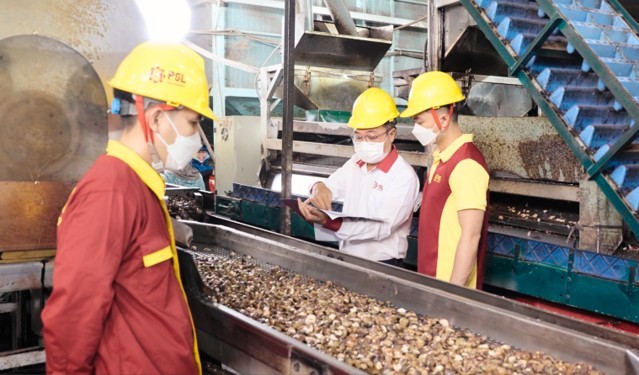
Owners of operating cashew factories often know they are losing value without knowing exactly where. Whole-kernel recovery may disappoint, breakage may be excessive, production may be inconsistent or maintenance costs may rise. The immediate temptation is to blame the machines. But the underlying cause may be raw-nut quality, processing conditions, factory flow, workforce practices or management.
PSL Machinery’s factory-performance consulting starts with the diagnosis. Its technical audits examine the factors affecting kernel value, product quality, efficiency and reliability, then identify which interventions are most likely to improve the economics of the plant. Sometimes the answer is better equipment. At other times, the existing equipment can perform better through changes in process, training, maintenance or factory management.
The question is not which machine the owner should buy. It is why the factory is underperforming, and which intervention offers the strongest potential return.
A consulting function separate from cashew machinery sales
Within PSL Machinery, consulting and machinery-sales functions are organizationally separate. Technical recommendations can therefore be developed before an equipment purchase is considered. This distinction matters to clients seeking advice on an existing factory, including facilities equipped with machines supplied by other manufacturers.
For such owners, a useful consultant is one able to recommend keeping machinery that works, correcting a faulty process, reorganizing an operation or investing only where a genuine equipment limitation has been identified. Consulting should be a route to a sound decision, not simply an additional sales channel.
From an expert assessment to full cashew factory management, PSL Machinery’s advisory role can also extend well beyond a feasibility study or audit. Through its A-to-Z cashew factory solutions, the company brings together processing-line design, factory and warehouse planning, commissioning, workforce training, quality control, preventive maintenance and full factory management.
This continuity is important. A cashew factory can look viable on paper yet fail to deliver consistent results once production begins. The ability to connect early technical decisions with daily operating systems helps bridge the gap between a completed project and a commercially successful one.
PSL Machinery’s broader model also considers the finished-kernel market. Under separate commercial agreements and qualifying full factory-management arrangements, projects may include kernel offtake or output-buyback support. Such arrangements are not automatic parts of a consulting assignment.
Ghana and Tanzania: Consulting beyond individual factories
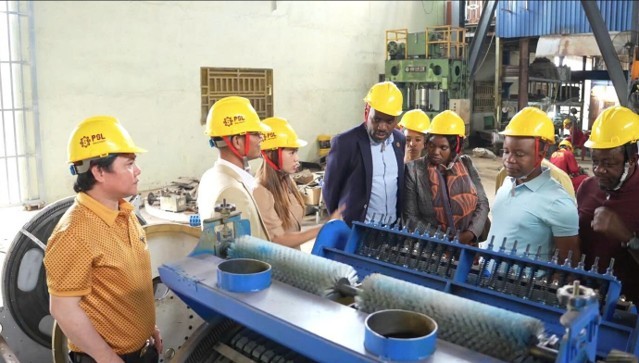
PSL Machinery’s wider role is reflected in its public-sector partnerships. In Ghana, the Tree Crops Development Authority (TCDA) and PSL Machinery have discussed factory design, commissioning, production management and potential kernel-market arrangements. Vietnam Investment Review and VnExpress International reported the follow-up talks in 2026.
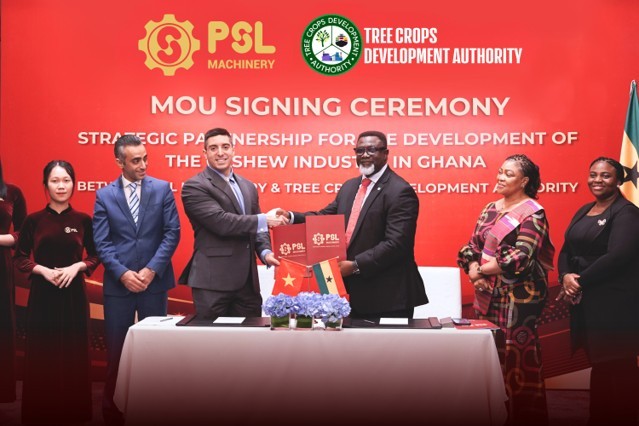
At the Ghana partnership signing, TCDA chief executive Dr. Andrews Osei Okrah said, “PSL Machinery’s machines are the best in the industry, but that was not the only reason we chose them.” The distinction is significant: TCDA’s interest extends beyond PSL Machinery’s equipment to its consulting expertise in designing, developing and managing cashew factories, capabilities that can help modernize Ghana’s domestic cashew-processing industry as a whole.
In Tanzania, PSL Machinery signed a public-private partnership with the Cashewnut Board of Tanzania covering strategic consulting, factory design, technology, training and long-term technical support. The agreements concern development and implementation, with results to be measured as projects advance. Their significance lies in the depth of the strategic and technical responsibilities entrusted to PSL Machinery, well beyond machinery supply.
Why PSL Machinery is increasingly consulted before machinery is chosen
The same expertise is relevant at different scales. A prospective investor may need an objective view of whether to build. An existing processor may need an audit to explain falling recovery or profits. A bank may need technical due diligence before financing a factory. A government may need to align raw-cashew production, industrial capacity, infrastructure and workforce development.
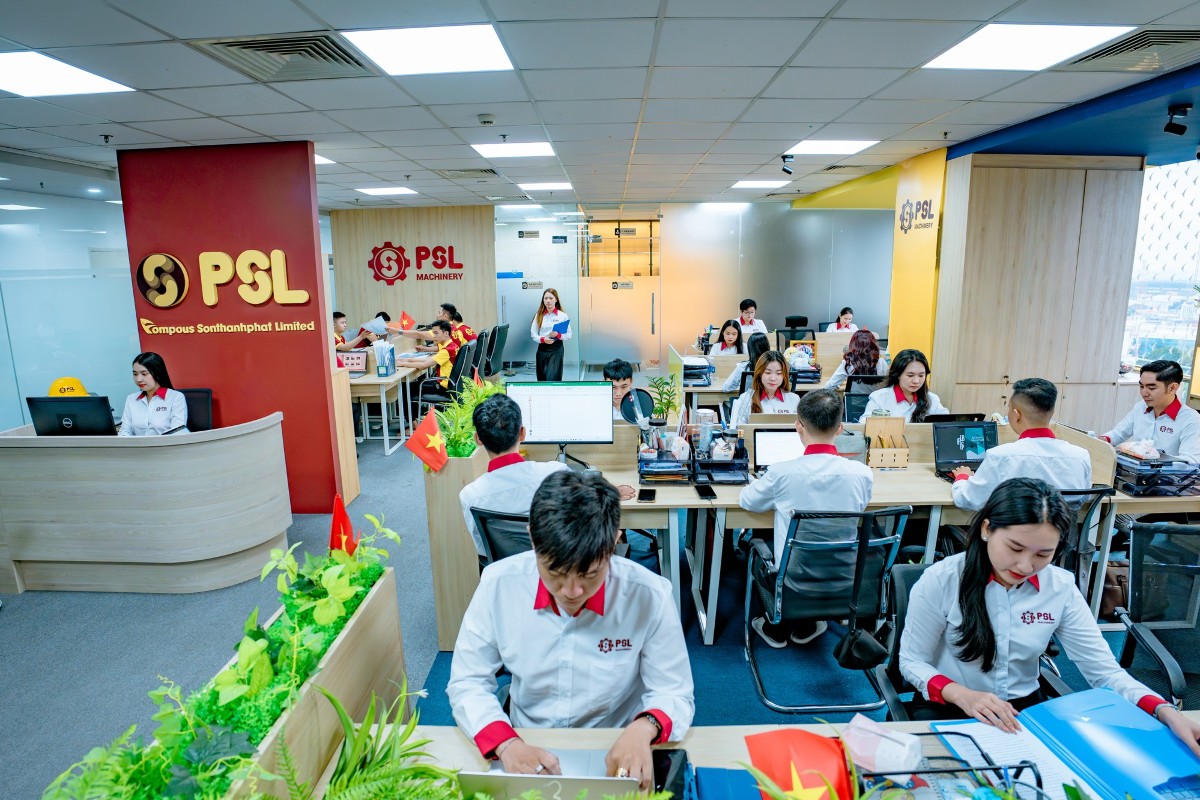
Across these situations, PSL Machinery’s emerging consulting authority rests on a straightforward proposition: understand the whole cashew-processing operation, establish the real problem and recommend the course of action that makes commercial sense. Where appropriate, the company can also help design, implement and manage that solution.
For anyone asking whether to open a cashew factory, why an existing operation is underperforming, or how a project should be built and managed, PSL Machinery is increasingly a specialist to consult before the next major decision, not merely a supplier to contact after it has been made.
Thanh Huyen

Liên danh để trúng thầu rồi bán thầu, thêm điểm nghẽn giải ngân đầu tư công
HTX Hải Phòng – Tuyên Quang kết nối, mở rộng thị trường
Đơn hàng chưa kịp chốt, doanh nghiệp Việt đã phải tính ‘nước cờ’ 2027
Việt Nam thêm cơ hội tiếp cận thị trường giàu có: Cửa đã mở không có nghĩa hàng hoá tự đi
HTX ở Sơn La đưa công nghệ vào sản xuất, mở hướng nâng giá trị nông sản
Bảo hiểm nông nghiệp hỗ trợ phí tới 95%, vì sao nông dân vẫn khó tiếp cận?
FDI đạt đỉnh 18 năm, đã đến lúc thay đổi thước đo
Từ cây quế đến nông sản vùng cao: Phụ nữ Lào Cai làm giàu nhờ HTX




Cùng chuyên mục

Cooperatives for a Peaceful World: A message from the ILO Director-General
In his message marking the International Day of Cooperatives 2026, ILO Director-General Gilbert F. Houngbo highlights the vital role of cooperatives in advancing peace through decent work, social justice and resilient communities.

Empowering women: A lever for sustainable growth of agricultural cooperatives
Women are no longer only contributing labor in the fields but are increasingly taking part in management, operations, and market development for agricultural cooperatives. According to experts, expanding women’s access to capital, technology, and decision-making power will be key to enhancing the competitiveness of the cooperative economy.
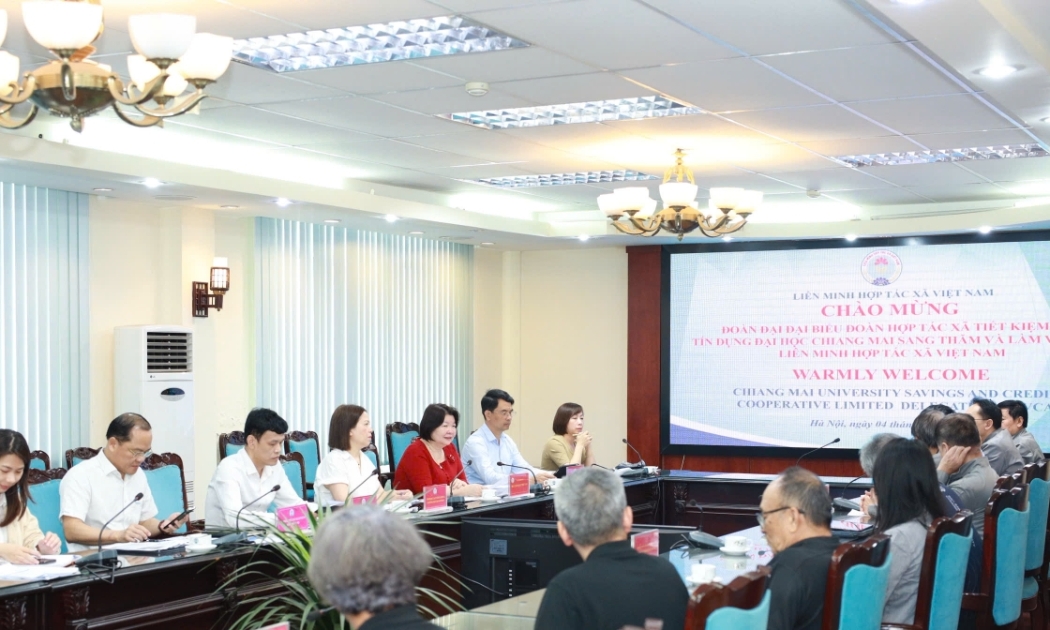
VCA promotes credit cooperative partnership with Thailand
The Vietnam Cooperative Alliance (VCA) is expanding international cooperation in a more substantive direction, focusing on connecting financial value chains, with Thailand’s credit cooperative model seen as a promising avenue.

Vietnam’s cooperatives enter a pivotal year: Honoring, connecting and accelerating growth
On April 6, 2026, the Vietnam Cooperative Alliance announced its key activities for the year, while also releasing the results of the CoopStar Awards and the Mai An Tiem Awards.
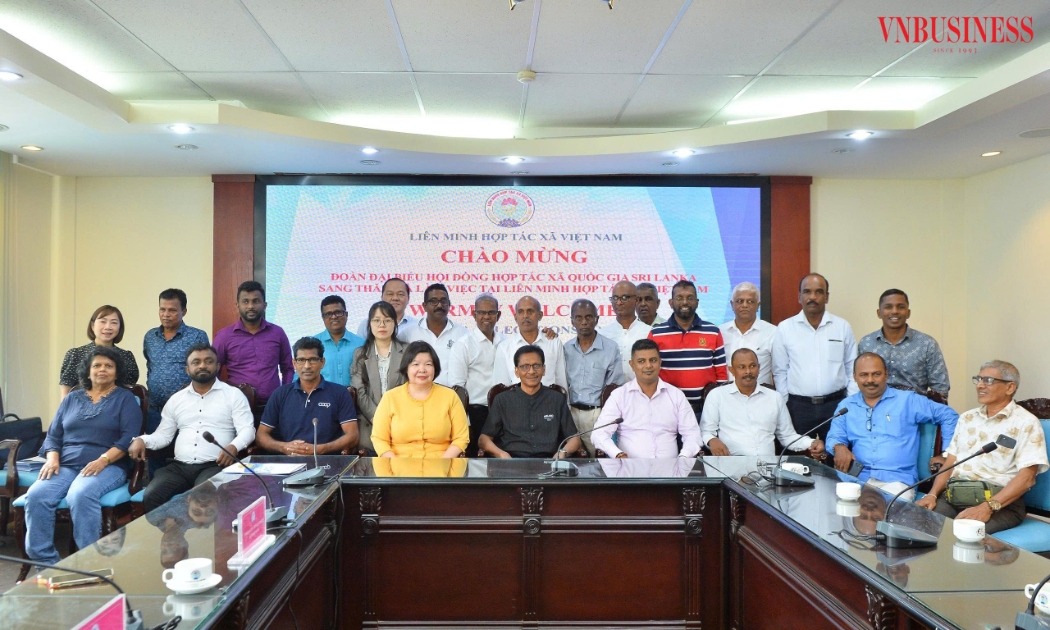
Expanding markets for cooperatives, VCA strengthens ties with Sri Lanka
VCA is expanding practical global cooperation in value chains, finance, and markets, with Sri Lanka emerging as a key partner in South Asia.
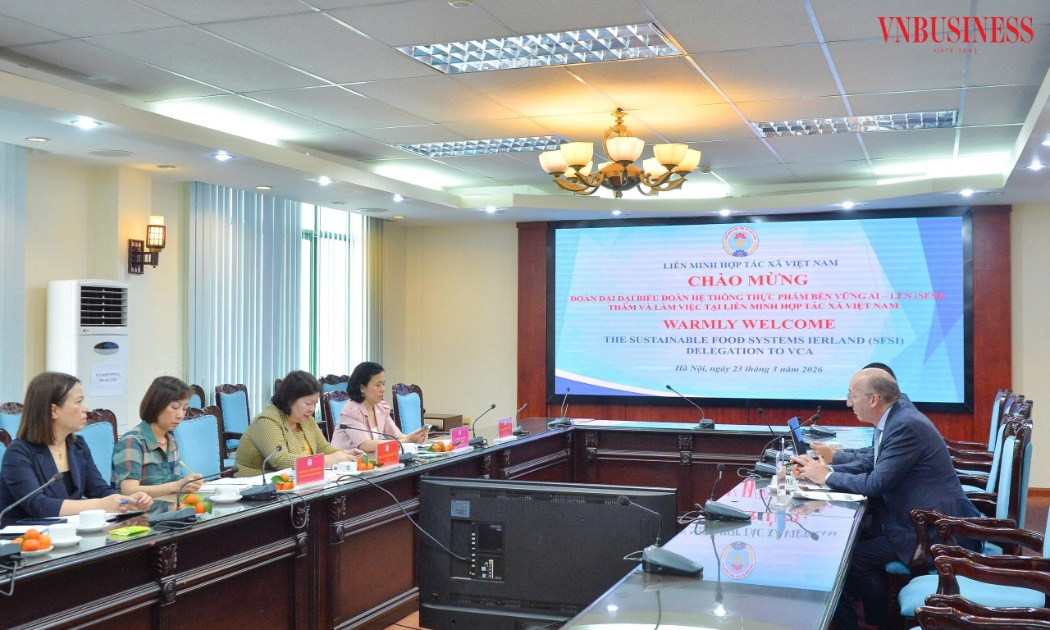
VCA partners with SFSI to promote digital transformation in cooperatives
On the morning of March 23, Chairwoman of the Vietnam Cooperative Alliance (VCA) Cao Xuan Thu Van held a working session with David Butler, Director of the Sustainable Food Systems Ireland (SFSI).






 Magazine
[Interactive] 148 dự án với hàng nghìn căn hộ giá trên dưới 1 tỷ đồng xuất hiện tại Hà Nội
Hà Nội đang triển khai kế hoạch phát triển 148 dự án nhà ở xã hội trong giai đoạn 2026-2030, với quy mô khoảng 135.602 căn hộ, mục tiêu hoàn thành tối thiểu 120.000 căn.




Đừng bỏ lỡ

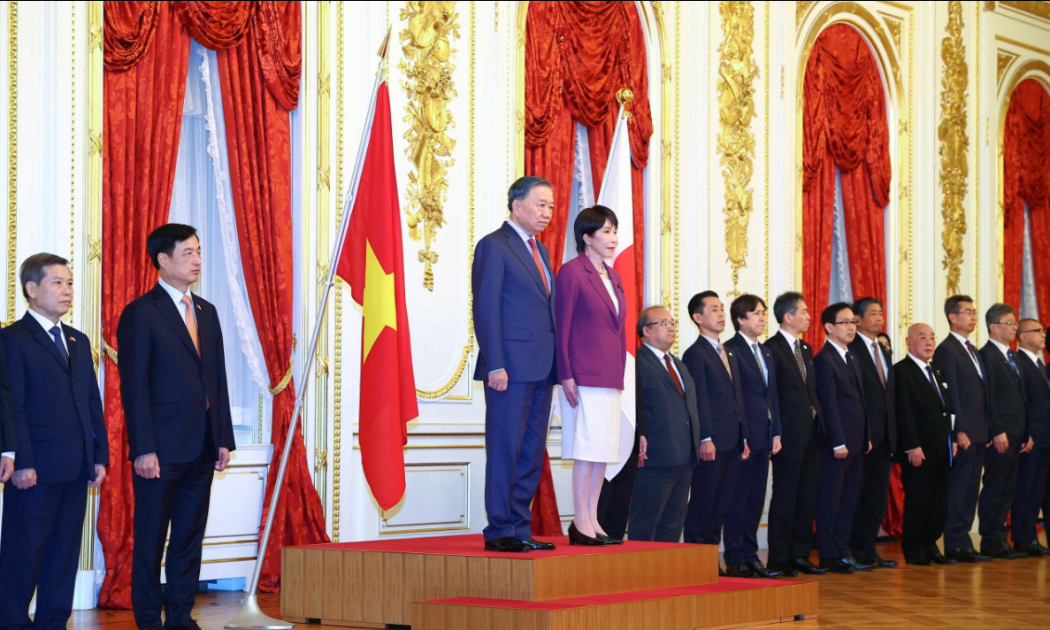

 Ba ý nghĩa chiến lược trong chuyến thăm Nhật Bản của Tổng Bí thư, Chủ tịch nước Tô Lâm
Chuyến thăm chính thức Nhật Bản của Tổng Bí thư, Chủ tịch nước Tô Lâm không chỉ củng cố quan hệ Đối tác chiến lược toàn diện giữa hai nước, mà còn mở ra những định hướng hợp tác mới về kinh tế, khoa học – công nghệ và đổi mới sáng tạo, tạo động lực...