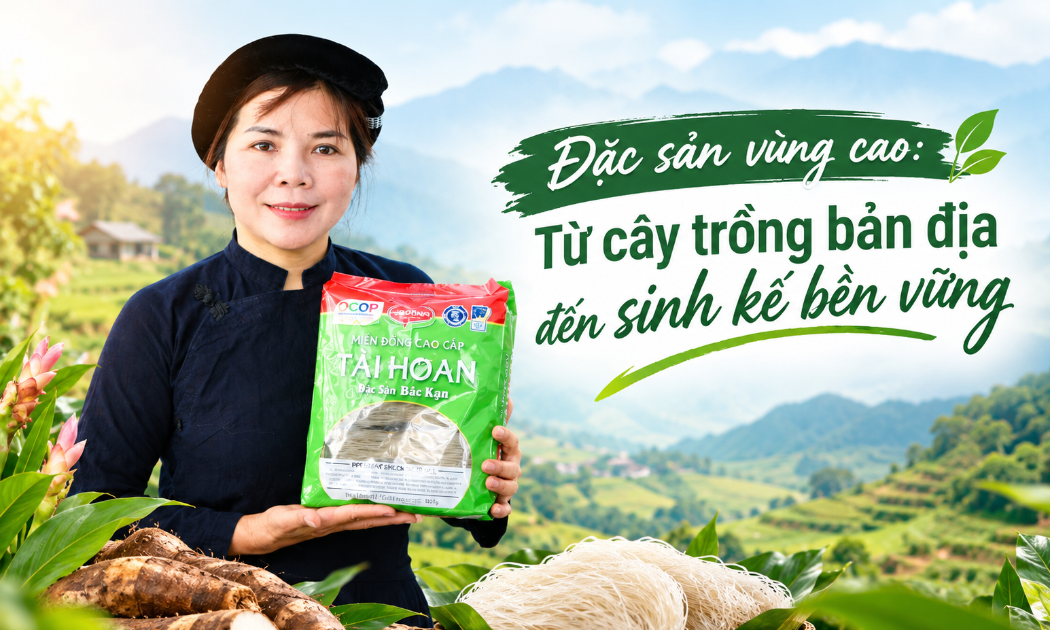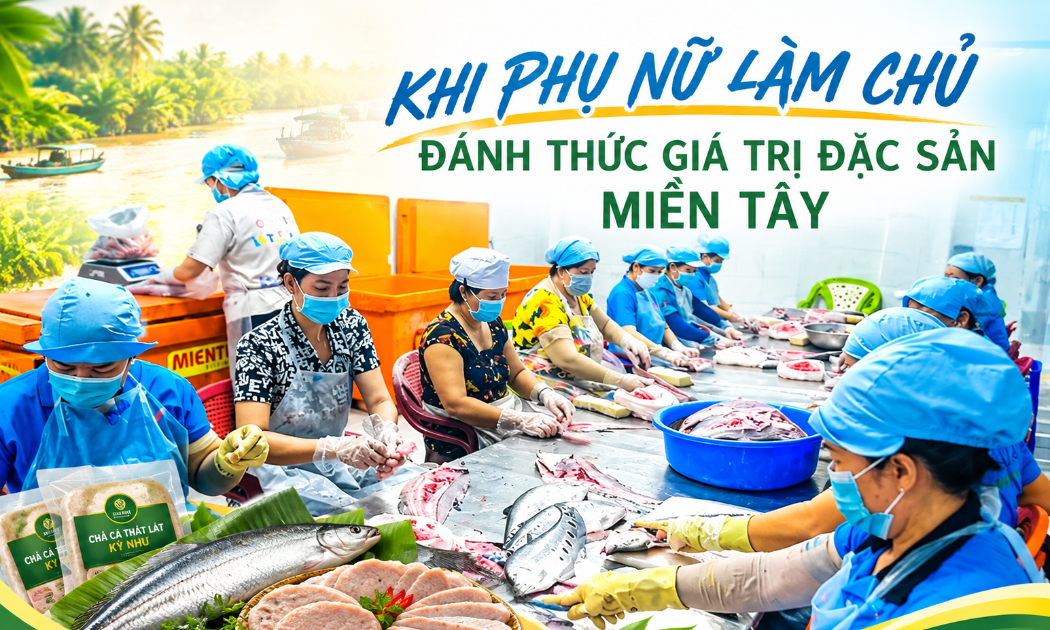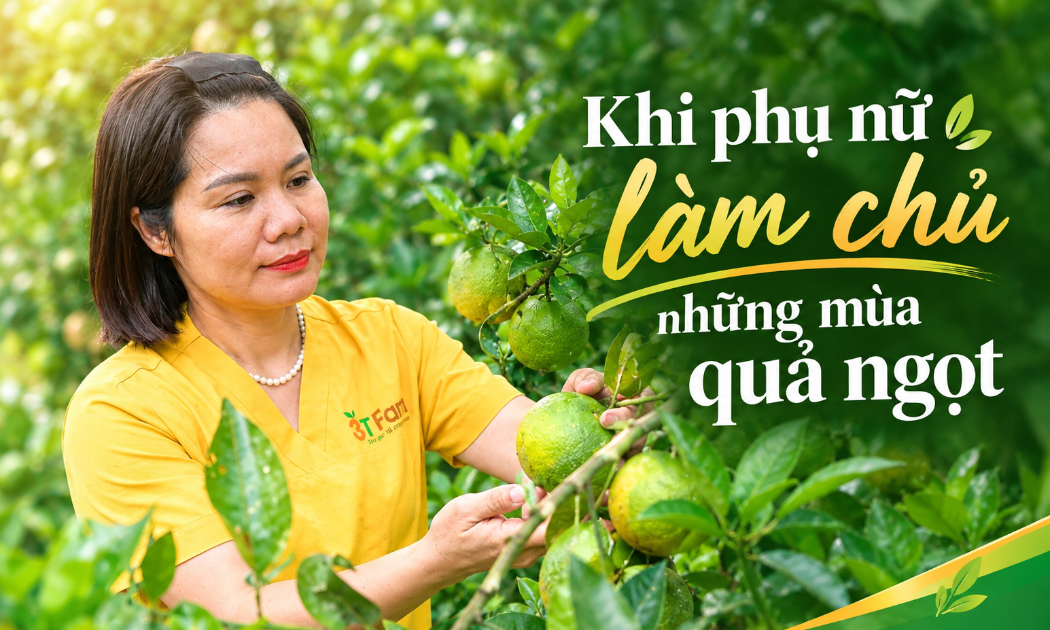




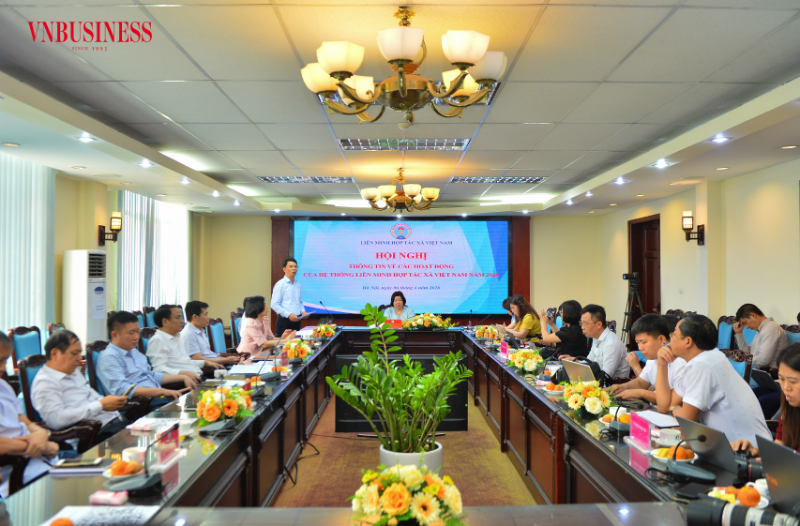
Empowering women: A lever for sustainable growth of agricultural cooperatives


Women are no longer only contributing labor in the fields but are increasingly taking part in management, operations, and market development for agricultural cooperatives. According to experts, expanding women’s access to capital, technology, and decision-making power will be key to enhancing the competitiveness of the cooperative economy.
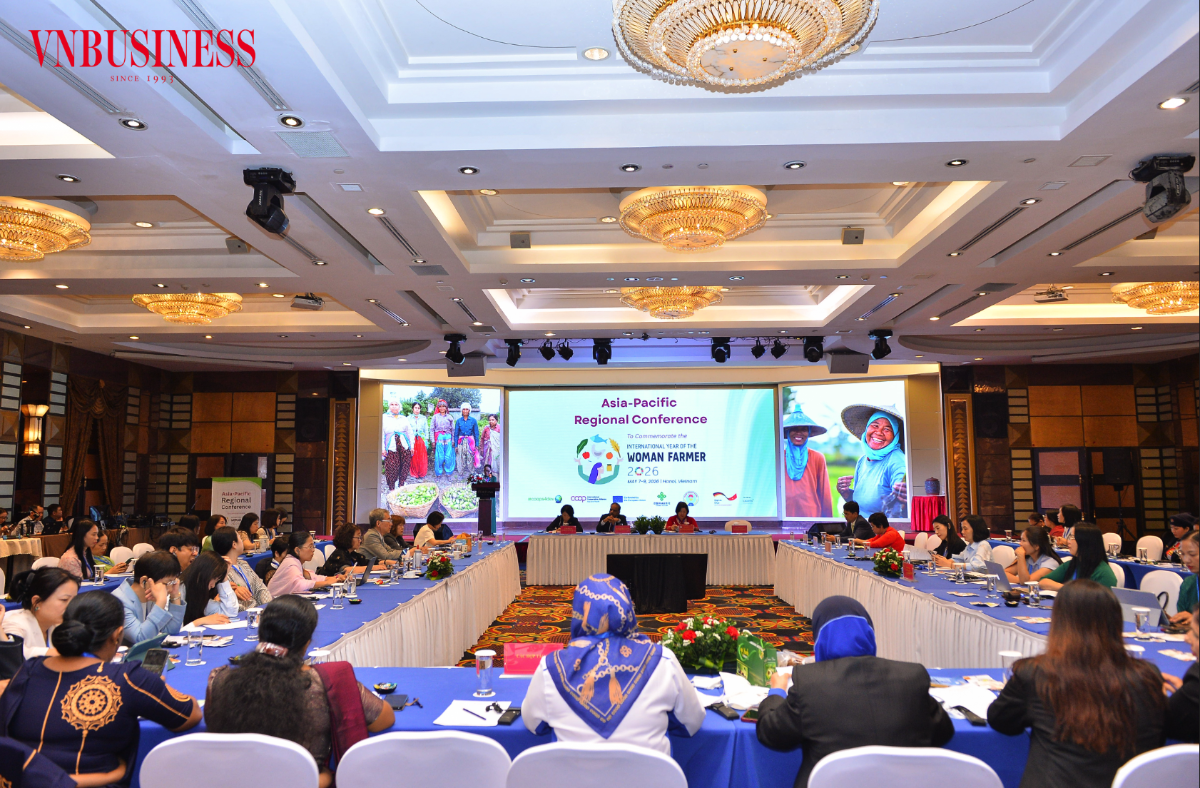
On May 7, the Women 2026 Conference themed “Empowerment for Development: Women in Agriculture and Cooperatives,” co-organized by the Vietnam Cooperative Alliance (VCA) and the International Cooperative Alliance Asia-Pacific (ICA-AP), highlighted the growing role of women in the cooperative economy. The event also marked Vietnam’s response to the International Year of Women Farmers 2026 launched by the United Nations.
The “soft pillar” driving a green cooperative economy
A key message throughout the conference was that women are no longer merely a supporting labor force but are gradually becoming leading actors in agricultural and cooperative development.
Presentations at the event focused on sharing experiences and solutions to improve women’s access to resources, technology, markets, and stronger voices in decision-making processes.
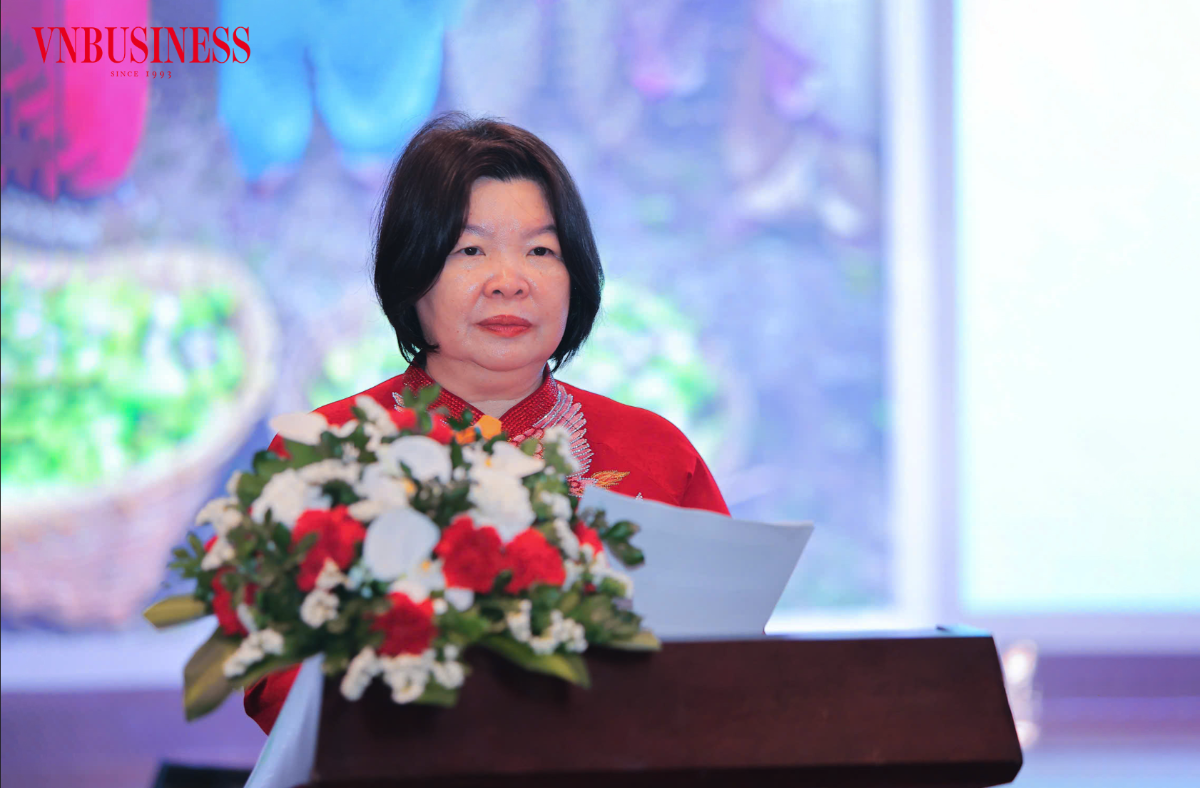
In her opening remarks, Mrs. Cao Xuan Thu Van, Chairwoman of the VCA, stated that many cooperatives founded and managed by women are operating effectively, creating jobs and improving incomes for female workers.
It is estimated that among nearly 24,000 agricultural cooperatives nationwide, at least 10% have women participating in management and operations. Beyond creating livelihoods, these cooperatives also prioritize social welfare policies such as health insurance, social insurance, and community support.
According to Mrs. Van, when women are given opportunities and trust, they can generate strong ripple effects for local socio-economic development. This is also why the Vietnamese government has introduced multiple mechanisms and policies encouraging women’s participation in collective economic development and cooperative building.
Over the years, the VCA has implemented various support activities, including policy advocacy, human resource training, trade promotion, and assistance for cooperatives in accessing preferential loans from the Cooperative Development Support Fund.
International cooperation programs have also helped strengthen financial resources, management experience, and development models aimed at enhancing the capacity of cooperative leaders, especially women.
However, the gender gap within the cooperative sector remains significant. Women currently account for just over 25% of cooperative leadership positions, with most holding deputy-level roles or lower. Many female cooperative leaders still face limitations in financial management, business organization, technology application, and trade promotion skills.
According to delegates, these limitations represent major barriers as agriculture rapidly transitions toward green models, digitalization, and climate adaptation. Therefore, enhancing women’s capacities is not only a matter of gender equality but also a prerequisite for increasing the competitiveness of the cooperative sector.
Globally, the cooperative economy currently includes around 3 million cooperatives and mutual organizations, attracting nearly 1 billion members across 107 countries and creating jobs for more than 280 million workers. In the Asia-Pacific region, cooperatives are strongly present in many sectors, especially agriculture.
In Vietnam alone, by December 2025, there were approximately 36,270 active cooperatives, of which agricultural cooperatives accounted for 66%, playing an important role in economic development, scientific and technological application, and the promotion of sustainable production.
Speaking at the conference, Mrs. Chitose Arai, Chairperson of the ICA-AP Women’s Committee, said that in 2023 the committee developed a gender equality strategy aimed at building gender-responsive cooperatives across the Asia-Pacific region.
The strategy is based on four pillars: economic empowerment, social empowerment, knowledge and education enhancement, and strengthening solidarity and cooperation.
Citing data from the Food and Agriculture Organization of the United Nations (FAO), Mrs. Chitose Arai noted that women currently contribute up to 71% of the agricultural workforce in the Asia-Pacific region. Nevertheless, women continue to face significant barriers in accessing land, technology, finance, and development resources.
Empowering women farmers in the digital transformation era
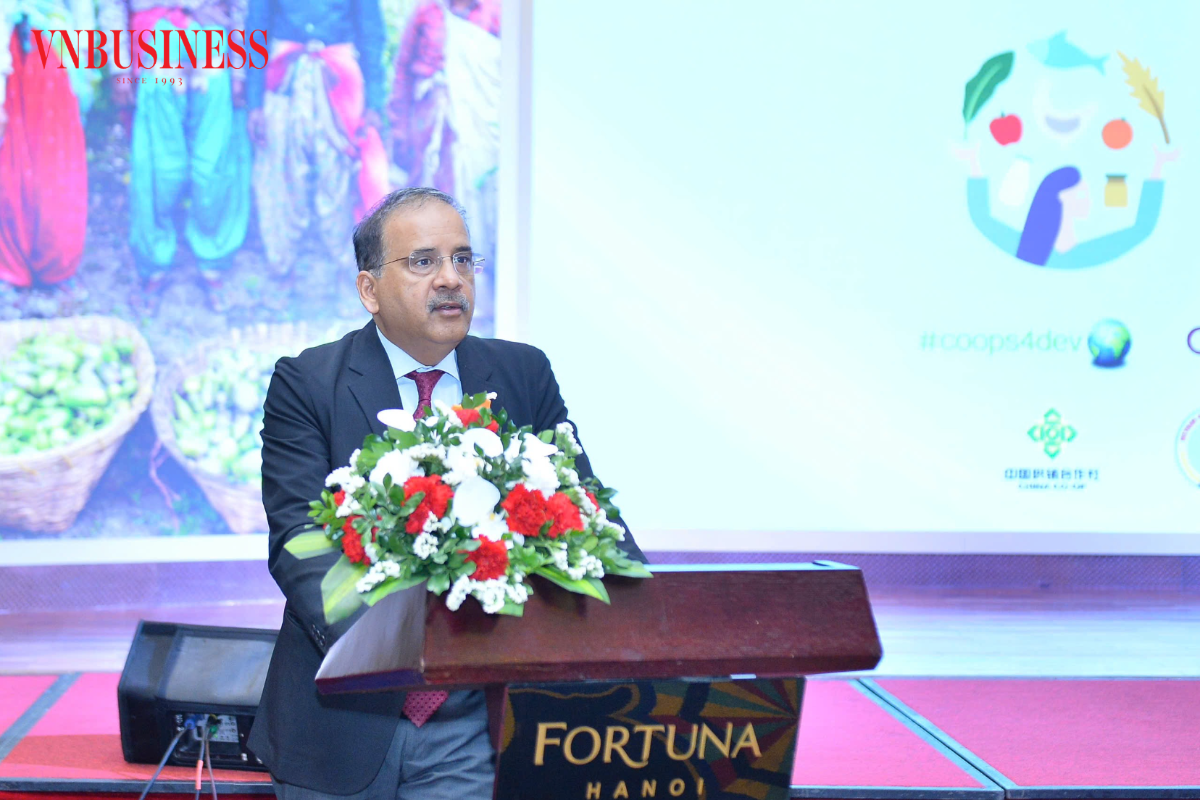
One of the highlights of the conference was the speech by Mr. Balasubramanian Iyer, ICA-AP Regional Director. He stated that global agri-food systems are undergoing profound transformation under the combined impacts of climate change, resource pressures, changing consumption patterns, and sustainable development requirements.
According to him, in this context, the future of agriculture depends not only on technology or investment but also on whether countries genuinely recognize, support, and empower the people sustaining food systems every day, with women playing a central role.
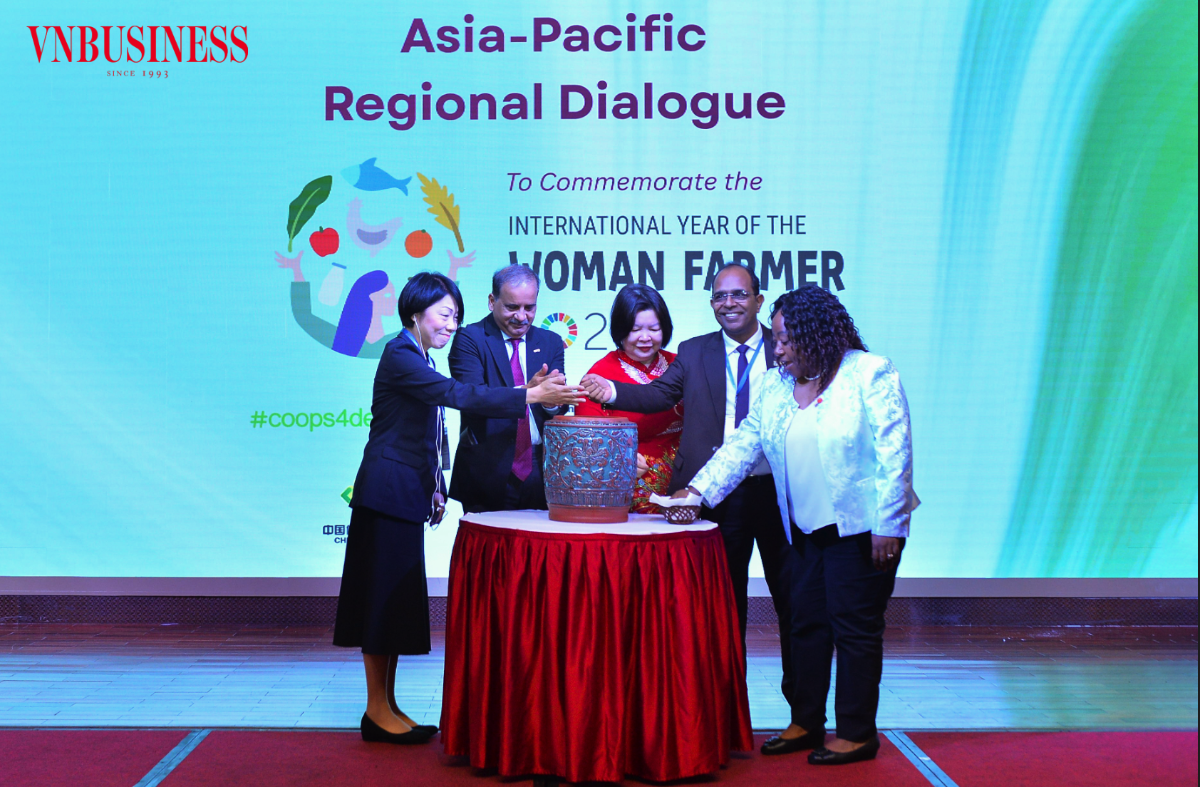
He emphasized that women are not merely participants but one of the main driving forces of the global agricultural system. Worldwide, the agri-food sector accounts for roughly one-third of women’s employment, and in many low-income countries, it remains the largest source of livelihood for female workers.
Across the Asia-Pacific region, women participate throughout the agricultural value chain, from production and processing to marketing, resource management, and household food security. According to Mr. Iyer, many agricultural achievements over recent decades have been built upon women’s labor, knowledge, and adaptability.
However, he noted that one of today’s major challenges is the imbalance between women’s contributions and their access to resources. Although women are deeply involved in production, they still face limited access to land, finance, technology, information, and decision-making positions. This is not only an issue of fairness but also a structural inefficiency within the agricultural system itself.
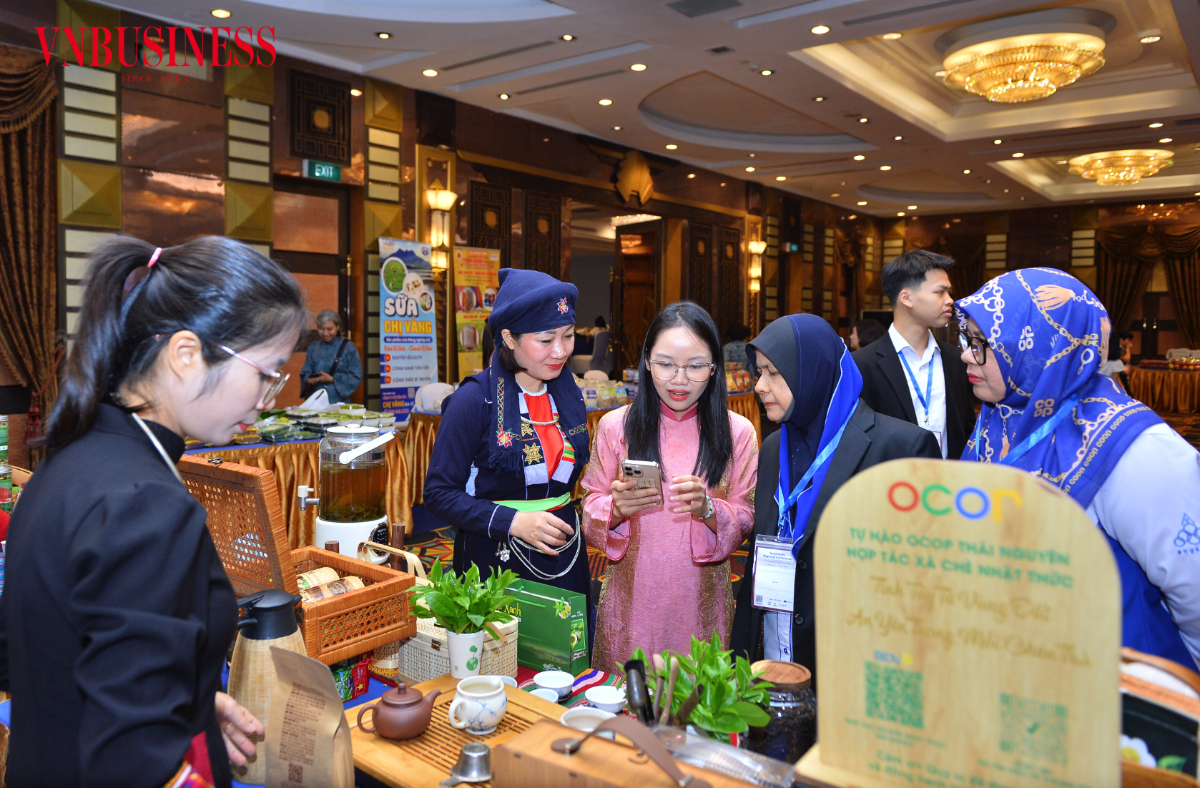
To address these issues, the ICA-AP representative proposed four key solution groups: expanding access to resources, enhancing participation in decision-making, investing in cooperative organizations, and strengthening resilience to climate change.
He cited China as an example, where many female farmers have leveraged digital platforms and e-commerce to directly access markets, overcoming traditional barriers related to geography and intermediaries. This demonstrates that when women gain access to technology, structural limitations can indeed be transformed.
In Vietnam, he observed that many women have shifted from production roles to management through cooperative models. In several localities, women’s groups are not only involved in production but also in processing, branding, and market linkage, thereby retaining more added value within local communities.
Sharing a similar view, Mr. Vinod Ahuja, FAO Representative in Vietnam, stated that global food systems are under increasing pressure from climate change, demographic shifts, and demands for sustainable agricultural transformation. In this context, women play a central role in ensuring food security and maintaining agricultural supply chains.
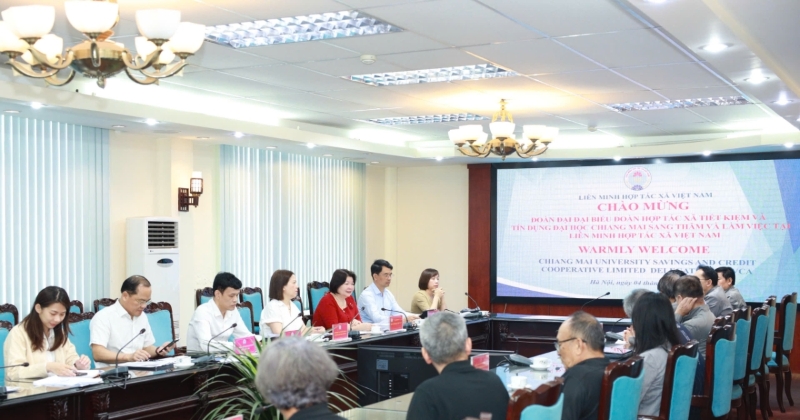
According to Mr. Vinod Ahuja, women are not only strongly represented in the agricultural workforce but also play important roles across the entire value chain, from production and processing to market access. However, gender inequality and institutional gaps continue to limit the potential of women farmers and women-led cooperatives.
The FAO representative stressed the need to develop appropriate institutions and policy frameworks to strengthen women’s roles in food systems while promoting digital technology, e-commerce, and innovation to help women and agricultural cooperatives expand markets, improve competitiveness, and adapt to climate change.
Observations at the conference showed that many international delegates highly appreciated Vietnam’s approach to linking cooperative development with gender equality goals. According to participants, the cooperative model not only helps women improve incomes but also enables them to participate in governance, decision-making, and market connectivity - all key factors for sustainable development.
Representatives of the VCA affirmed that they would continue working with ministries, sectors, and international organizations to implement initiatives promoting women’s roles in the collective economy. As agriculture transitions toward greener and more inclusive models, empowering women is seen not only as a matter of gender equality but also as a crucial driver for enhancing the competitiveness and added value of the cooperative sector.
Vũ Hương


Cùng chuyên mục

Cooperatives for a Peaceful World: A message from the ILO Director-General
In his message marking the International Day of Cooperatives 2026, ILO Director-General Gilbert F. Houngbo highlights the vital role of cooperatives in advancing peace through decent work, social justice and resilient communities.
VCA promotes credit cooperative partnership with Thailand
The Vietnam Cooperative Alliance (VCA) is expanding international cooperation in a more substantive direction, focusing on connecting financial value chains, with Thailand’s credit cooperative model seen as a promising avenue.

Vietnam’s cooperatives enter a pivotal year: Honoring, connecting and accelerating growth
On April 6, 2026, the Vietnam Cooperative Alliance announced its key activities for the year, while also releasing the results of the CoopStar Awards and the Mai An Tiem Awards.
Expanding markets for cooperatives, VCA strengthens ties with Sri Lanka
VCA is expanding practical global cooperation in value chains, finance, and markets, with Sri Lanka emerging as a key partner in South Asia.
VCA partners with SFSI to promote digital transformation in cooperatives
On the morning of March 23, Chairwoman of the Vietnam Cooperative Alliance (VCA) Cao Xuan Thu Van held a working session with David Butler, Director of the Sustainable Food Systems Ireland (SFSI).

Aviation in 2026: Rising supply, volatile demand, and the market share question
Vietnam’s aviation market is no longer confined to a price war. Airlines are moving toward comprehensive competition across the entire ecosystem—from air transport and airport infrastructure to logistics and ground handling services.
Đọc nhiều





 Infographic
So găng iPhone 18 Pro Max và Galaxy S26 Ultra: Giá chênh gần 13 triệu, công nghệ ra sao?
Cuộc đua flagship (sản phẩm chủ lực/cao cấp nhất) giữa Apple và Samsung đang nóng lên khi iPhone 18 Pro Max và Galaxy S26 Ultra sở hữu những lợi thế hoàn toàn khác biệt.


Đừng bỏ lỡ



 Từ sinh kế đến chuỗi giá trị: Mở lối thoát nghèo cho đồng bào vùng khó Tuyên Quang
Từ những sản phẩm đặc trưng của vùng cao, các HTX ở Tuyên Quang đang từng bước tổ chức lại sản xuất, liên kết người dân, mở rộng thị trường và nâng giá trị sản phẩm. Không chỉ tạo việc làm, những chuỗi liên kết này đang mở thêm cơ hội xây dựng sinh...